L’Ombre du Géant : 4 Révélations sur l’Univers Fantasmagorique de Piranèse (et son Double Numérique)
1. Introduction : Le vertige de la pierre
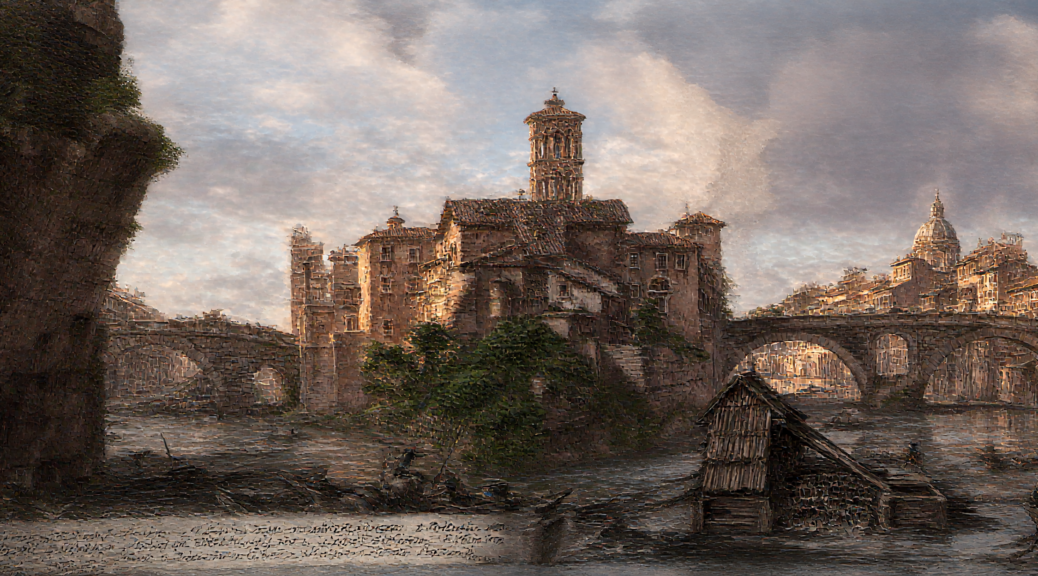
Face aux plaques de cuivre de Giovanni Battista Piranèse, le regard ne se contente pas d’observer ; il subit une véritable hallucination architecturale. Un malaise oppressant se dispute à un émerveillement sacré devant ces structures dont la démesure semble insulter les lois de la physique. Pourquoi ces ruines, figées dans une dyschronie éternelle, nous semblent-elles plus vibrantes, plus habitées que nos métropoles contemporaines ? Piranèse n’était pas un simple topographe de Rome ; il était le premier visionnaire du Sublime, érigeant des monuments qui sont autant de cénotaphes à la gloire et à la chute de l’ambition humaine. Continuer la lecture de L’Ombre du Géant : 4 Révélations sur l’Univers Fantasmagorique de Piranèse (et son Double Numérique)→
Before exploring and analyzing the corpus chosen for the representation of atmospheres, a simple example will be observed to measure the difficulty of the game of the representation of atmospheres in the project. This example is that of the choice that a designer could have between the strip window and the vertical window of the Renaissance type. This example has already been mentioned in the previous chapter as representative of the gap that can occur between an architectural discourse, the realization and the perception of the users. It seemed interesting to us at the beginning of the discussion on figuration to show that representation is a complex act passing through words and drawing.
A novel 3D generation method is introduced, enabling versatile and high-quality 3D asset creation. At its core is a unified Structured LATent (SLAT) representation, which supports decoding into multiple output formats, including Radiance Fields, 3D Gaussians, and meshes. This is achieved by combining a sparsely-populated 3D grid with dense multiview visual features extracted from a robust vision foundation model, effectively capturing both structural (geometry) and textural (appearance) information while preserving decoding flexibility.

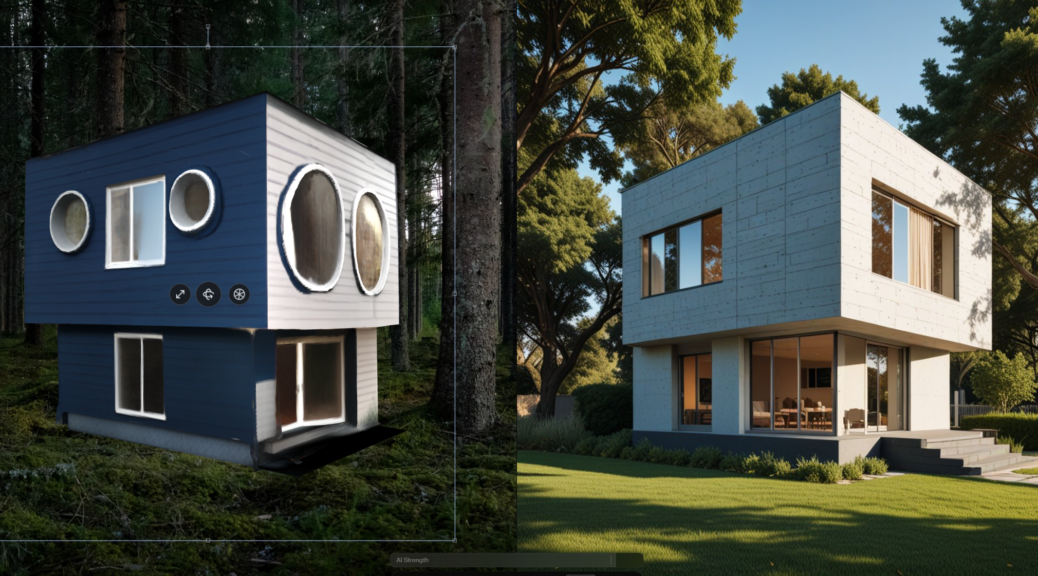
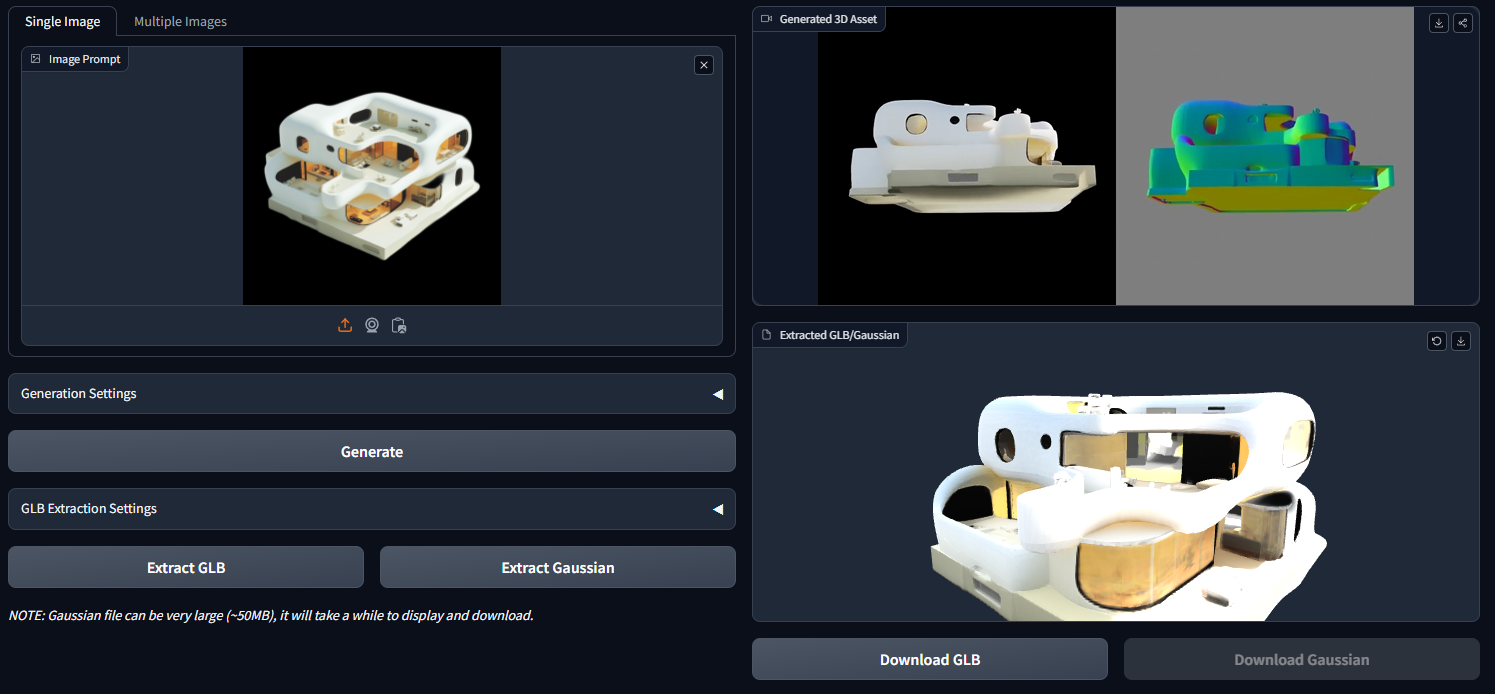 Structured 3D Latents for Scalable and Versatile 3D Generation (https://trellis3d.github.io/)